
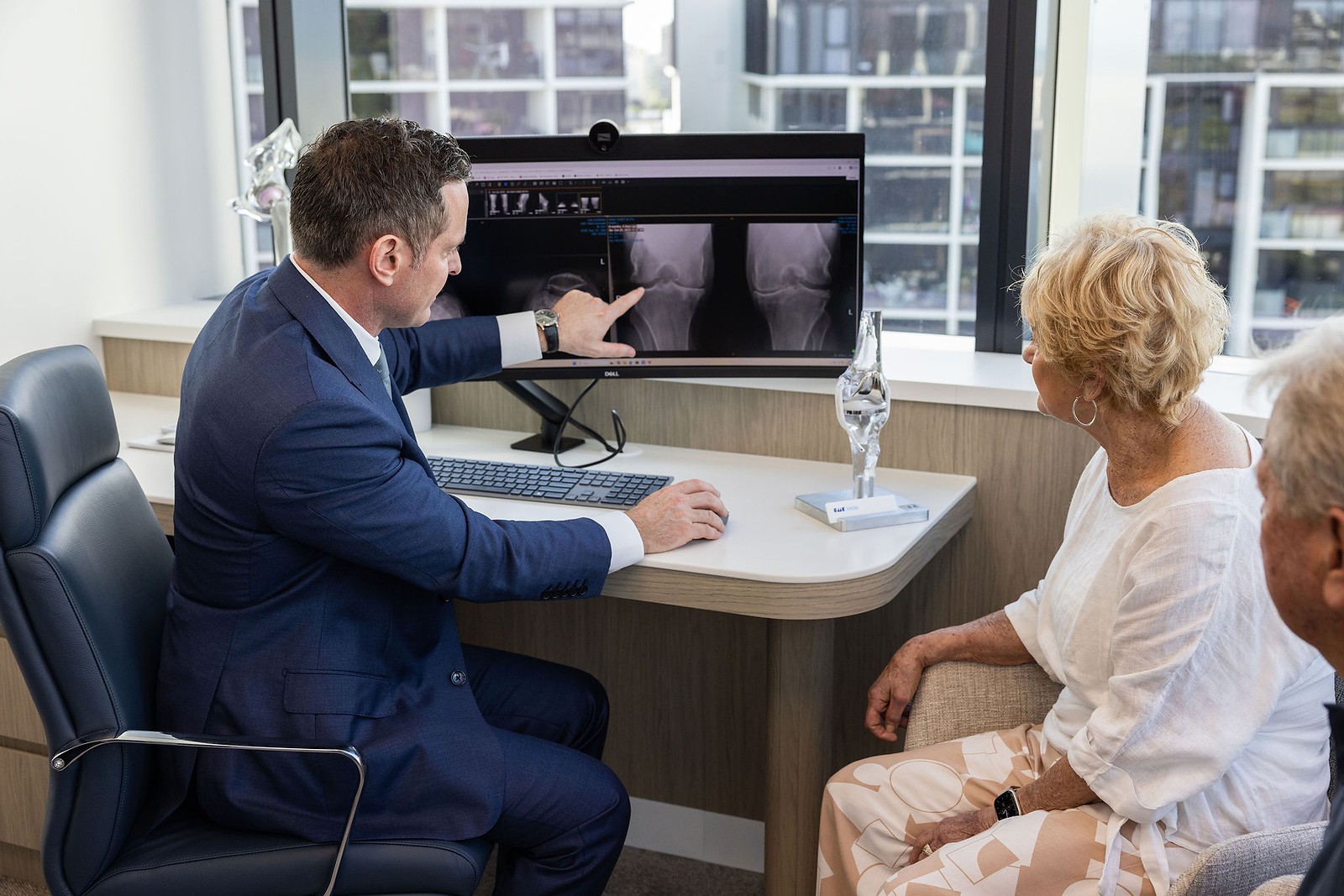
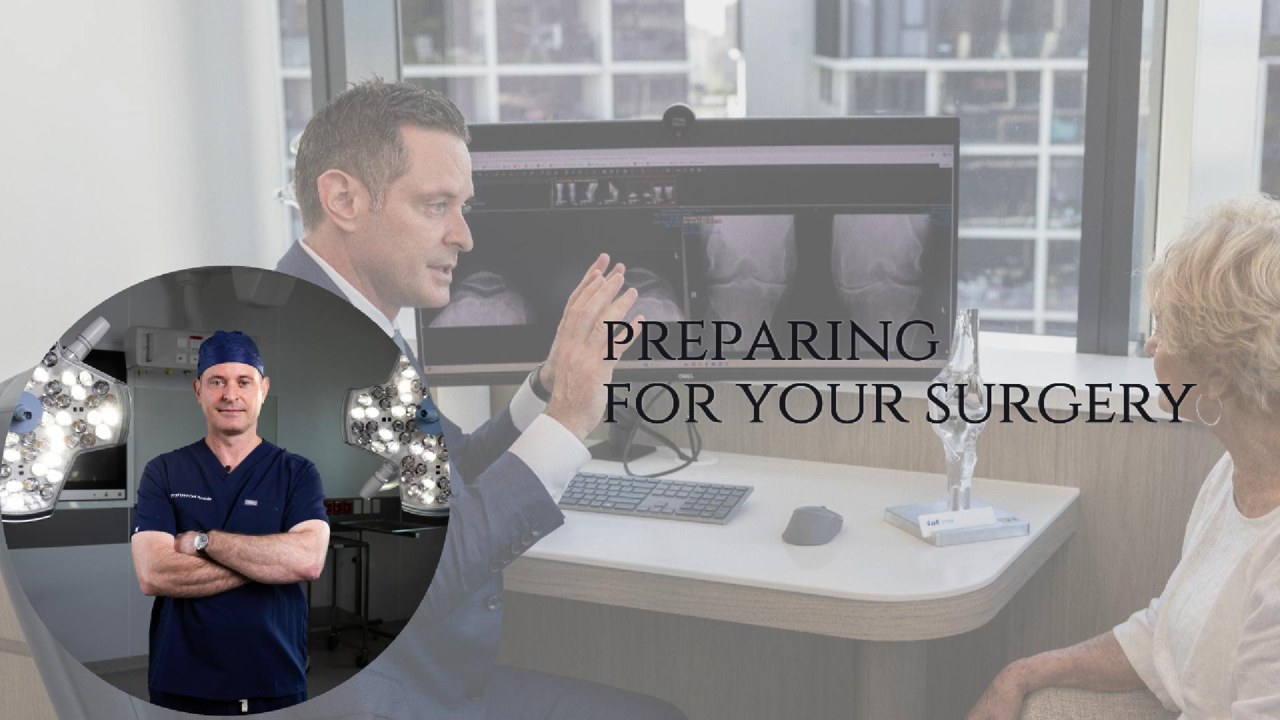
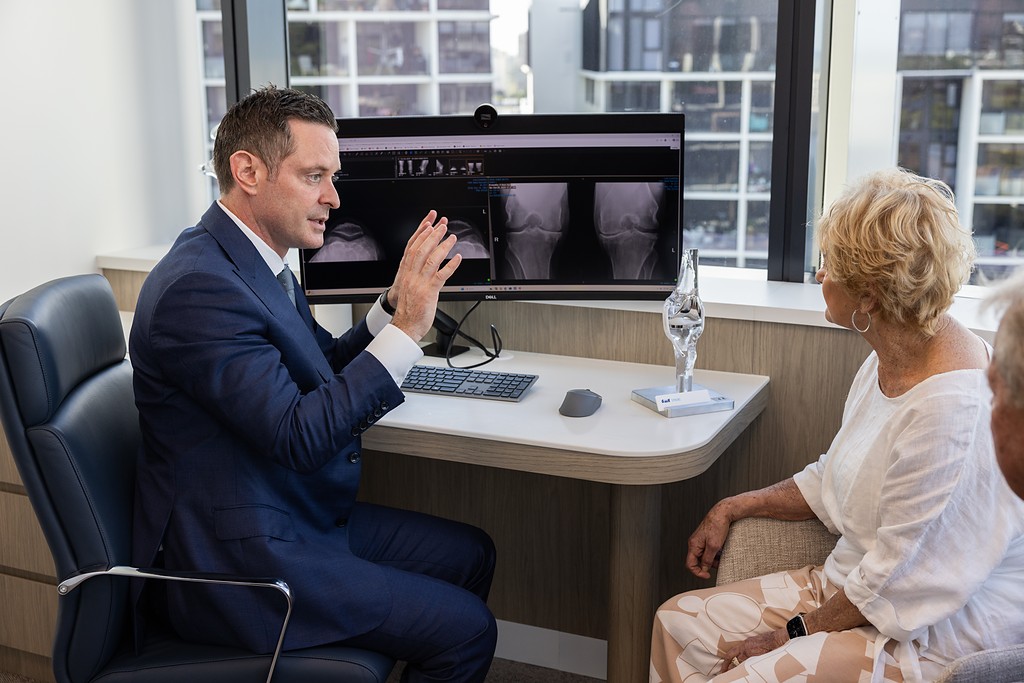


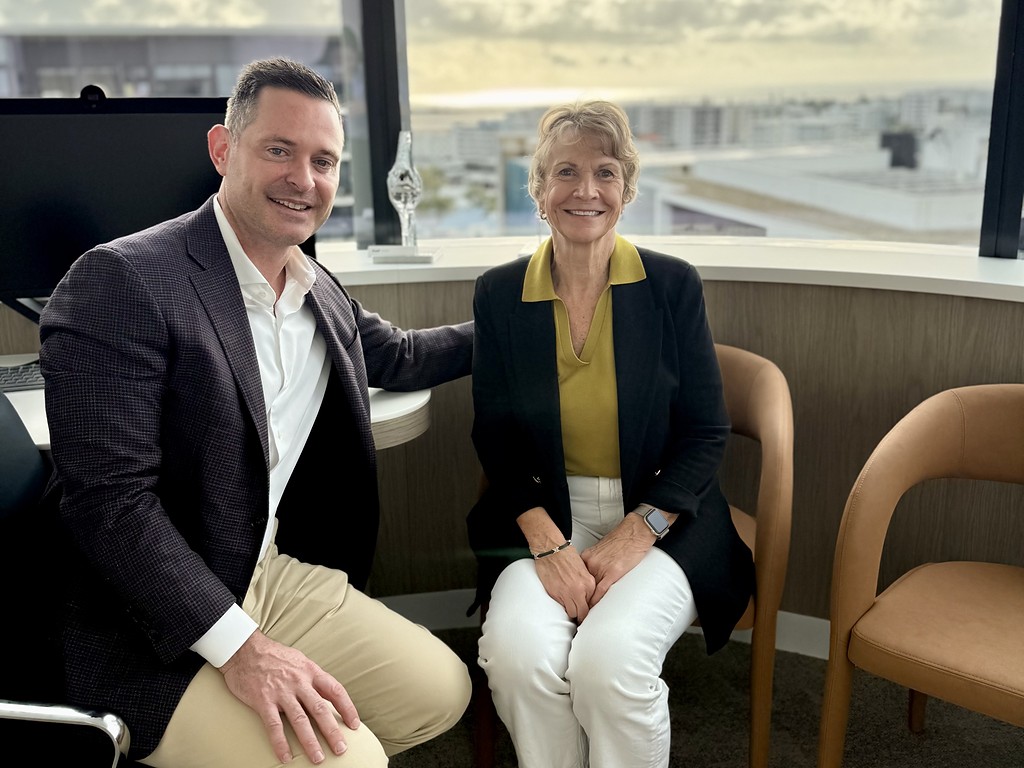
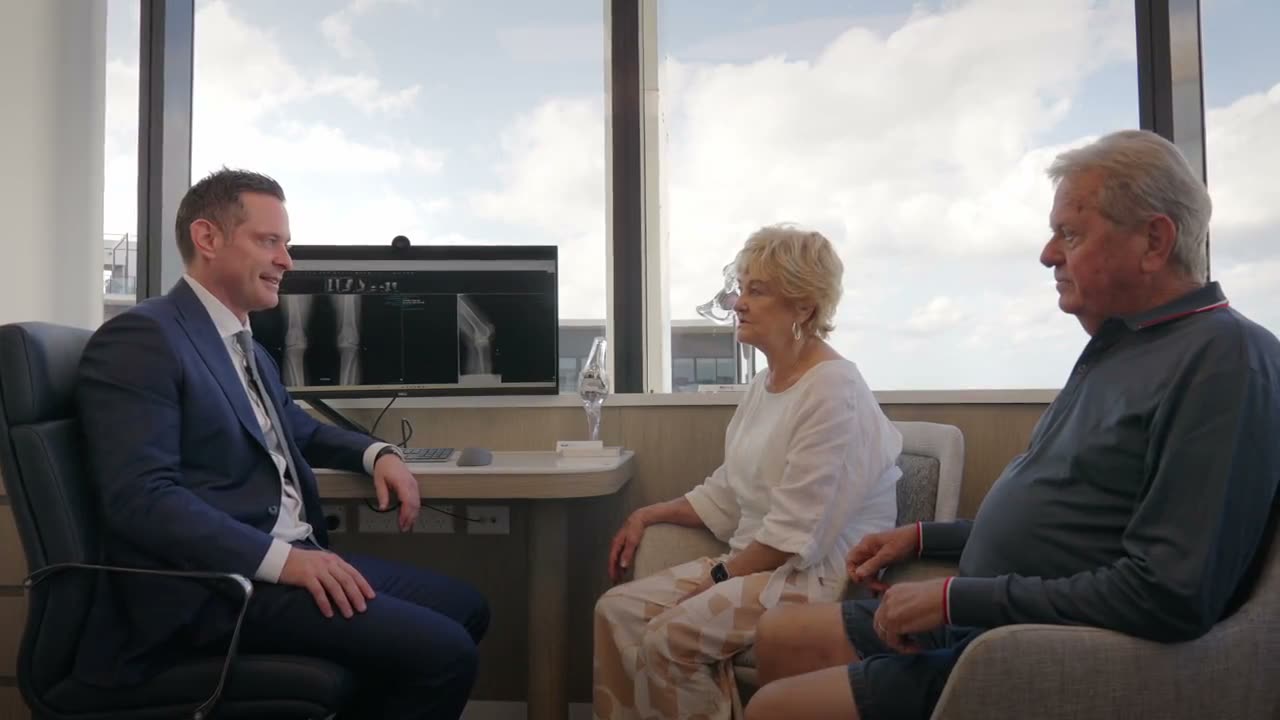
Professor Daevyd Rodda reviewing a patient's knee X-rays on screen

Patient education · 15 articles · about 107 min

My knee journey.

This page will help you navigate your journey with Professor Rodda. Not all patients with knee pain need surgery, but getting the correct diagnosis and understanding your options is the first step to reclaiming the life you want to lead.

Watch

What to try before knee surgery

Professor Rodda on the non-surgical options worth trying before you consider a knee replacement.

Articles by phase

My knee journey, in order.

Each phase tells you who is responsible, what you should walk away with, and roughly when. Not everyone with knee pain needs surgery, and the early phases exist to work out whether you do.

Orientation

Arranging an appointment, what to bring, and what it costs.

Diagnosis

Working out what is actually causing the pain.

Treatment Options

Working out what to do about it, including not operating.

Preparation

Getting you ready, if you decide on surgery.

Intervention

The operation itself, to the plan you already agreed.

Recovery

Getting you moving, and back to what you had stopped doing.

Detailed clinical information

Longer reference articles on fees, timing, suitability and the individual procedures. Not part of the journey above, and not needed to get started.

Common questions.

Do I need a referral to see Professor Rodda?

If you have a GP referral, it comes straight to us and someone will call you within two business days. If you do not, call the rooms on (07) 5493 8038 and speak with our nurse practitioner, who can see you in person or by telehealth and arrange your appointment with Professor Rodda. A referral is still needed to claim the Medicare rebate on the surgical consultation, and the nurse practitioner can provide it.

Do I need surgery if I have knee arthritis?

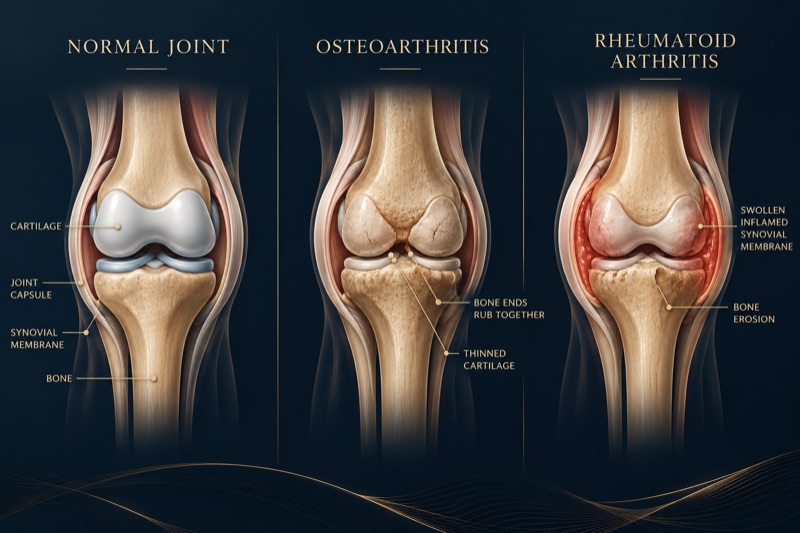
Not necessarily. Many people with knee arthritis are managed well without surgery, using exercise, weight management, activity modification and medication. Surgery is considered when non-surgical options no longer control your symptoms and your quality of life is affected. The articles in each phase of this page walk through that decision in detail.

Am I too old for a knee replacement?

There is no upper age limit for knee replacement. What matters is your medical fitness, not your chronological age. Patients in their 80s and 90s undergo joint replacement safely when their general health allows. Professor Rodda assesses each patient individually, considering heart and lung health, bone quality, and overall function rather than age alone. Decisions are made together with you and your family, and with your GP and physician involved where needed.

Am I too young for a knee replacement?

There is no absolute lower age limit, but knee replacement in younger patients is considered carefully because implants have a finite lifespan. For patients in their 40s or 50s, Professor Rodda explores all non-surgical options first, and may consider partial knee replacement or other alternatives. When symptoms are severe enough to significantly impact quality of life and conservative measures have failed, surgery may be the right choice regardless of age.

How long is the wait for surgery?

Once you and Professor Rodda agree on surgery, a date is usually scheduled between six and twelve weeks away. This allows time for pre-admission checks, imaging and preparation. Sooner dates may be possible in urgent cases.

What health funds does Professor Rodda have no-gap arrangements with?

Professor Rodda participates in no-gap joint replacement arrangements with several health funds, including Medibank, Bupa, HCF and nib. What is covered varies by fund and by level of policy, and is best confirmed with the practice and your insurer before surgery.

Self assessment

Oxford Knee Score

A twelve-question survey used internationally to measure how much a knee problem is affecting daily life. It is not a diagnosis and it does not indicate whether surgery is appropriate, but the result is a useful thing to bring to a consultation. It takes about three minutes and nothing you enter leaves your browser.

0 to 19 Severe

Significant daily limitation. Night pain usually present. Difficulty with basic tasks such as dressing, washing, and walking. A consultation with an orthopaedic surgeon is strongly recommended.

20 to 29 Moderate to Severe

Pain and stiffness regularly interfere with daily activities and sleep. A consultation with an orthopaedic surgeon is recommended to discuss your options.

30 to 39 Mild to Moderate

Some limitation in daily activities. Consult your GP for further assessment and to discuss non-surgical management options.

40 to 48 Satisfactory

Joint function is generally satisfactory. If you are still experiencing pain or stiffness, consult your GP for further assessment.

Maroochy Private Hospital, Maroochydore, seen face on from the street
Where your surgery happens

Purpose-built facility.
Heart of the Sunshine Coast.

Professor Rodda consults and operates at Maroochy Private Hospital in the Maroochydore CBD, developed by Fortius Hospitals, the company he founded and is Chief Medical Officer of. The hospital was purpose-built for orthopaedic surgery, following international experience showing that procedures like joint replacement are moving away from large acute hospitals that treat everything, toward smaller specialised centres that do a few things extremely well. Maroochy Private is one of those centres.

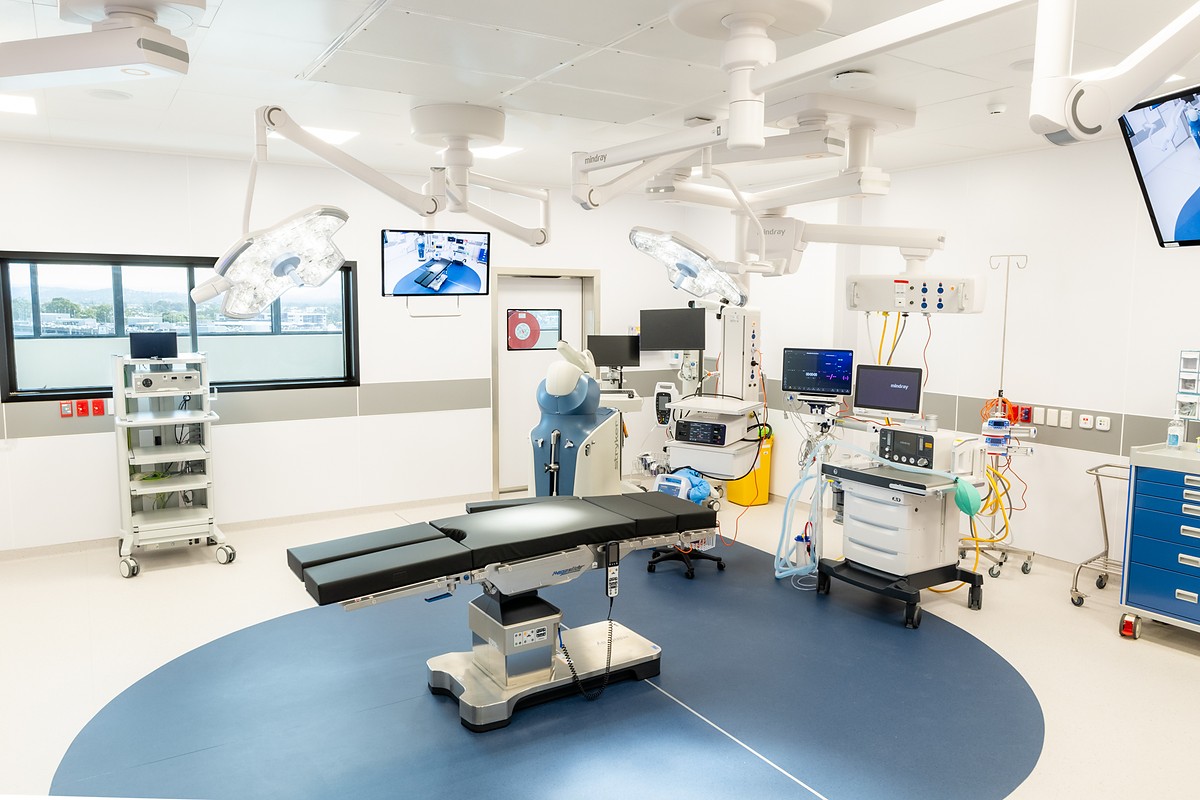
The entire joint replacement journey is integrated within the one facility. Sunshine Coast Radiology operates its flagship musculoskeletal imaging centre in the building, so your scans happen where your surgeon works. Two allied health providers, Fortius Allied Health and Sports & Spinal, deliver physiotherapy and rehabilitation on site, and the University of the Sunshine Coast's clinical trials headquarters is in the building as well. The six operating theatres carry the latest integrated technology and were designed substantially larger than a standard theatre, specifically with orthopaedics in mind: room for surgical robots and advanced imaging equipment, and circulation space laid out to minimise potential contamination.

Professor Rodda consults from the Sunshine Coast Orthopaedic Group suite on Level 9, co-located with the ward. During your stay he is often just minutes away, consulting on the same floor you recover on.

“This hospital is about wellness, not about sickness.”

Professor Daevyd Rodda

The hospital team was handpicked. It includes many of the most experienced orthopaedic nurses and clinical staff from the Sunshine Coast and beyond. They were selected as much for their clinical acumen as for their positive mindset, contribution to team culture, and passion for caring for their patients.

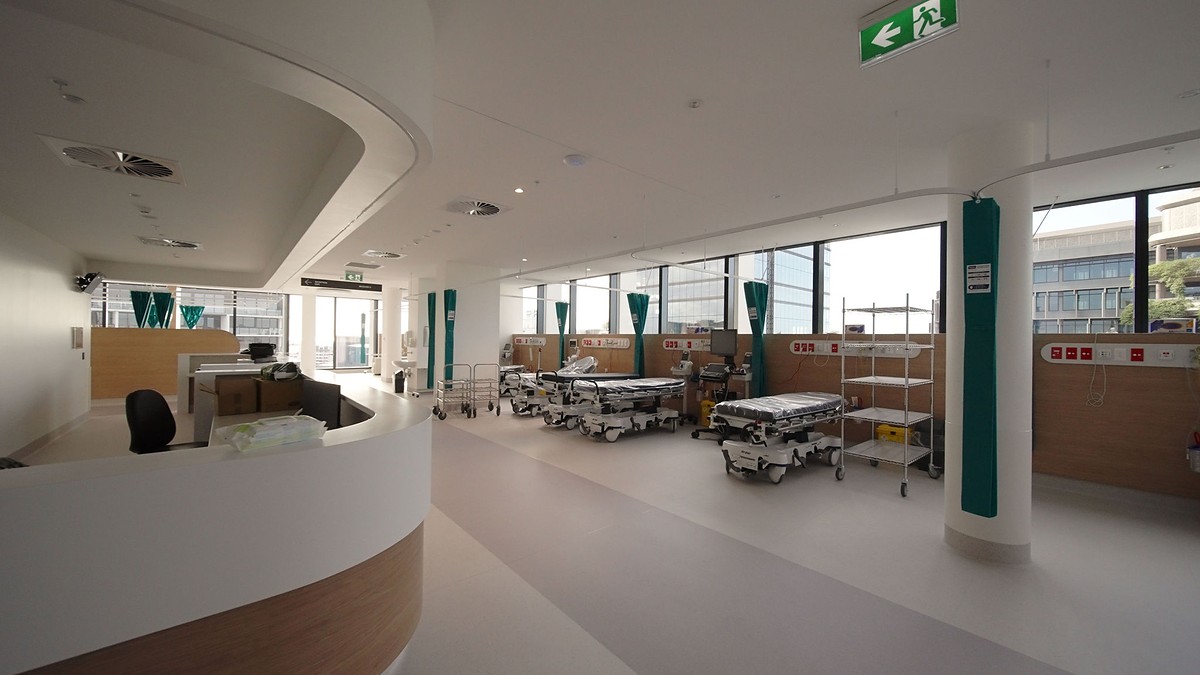
The ward sits on the top floor of the building, and most patient suites have panoramic views of the Sunshine Coast. The best floor in the building went to the patients.

The same thinking runs through the rest of the building, down to the car park: nearly 300 spaces within the building itself, so patients with painful hips and knees walk metres from their car to the lift, not across a street.

The most important tenancy, though, is John Kyle Cafe on the ground floor. Your recovery starts with a barista-made coffee on the morning after your surgery.

Speak to the rooms

Begin your consultation.

You do not need a referral to get started. Call the rooms on (07) 5493 8038: if you have a GP referral it comes straight to us, and if you do not, our nurse practitioner can see you first.